
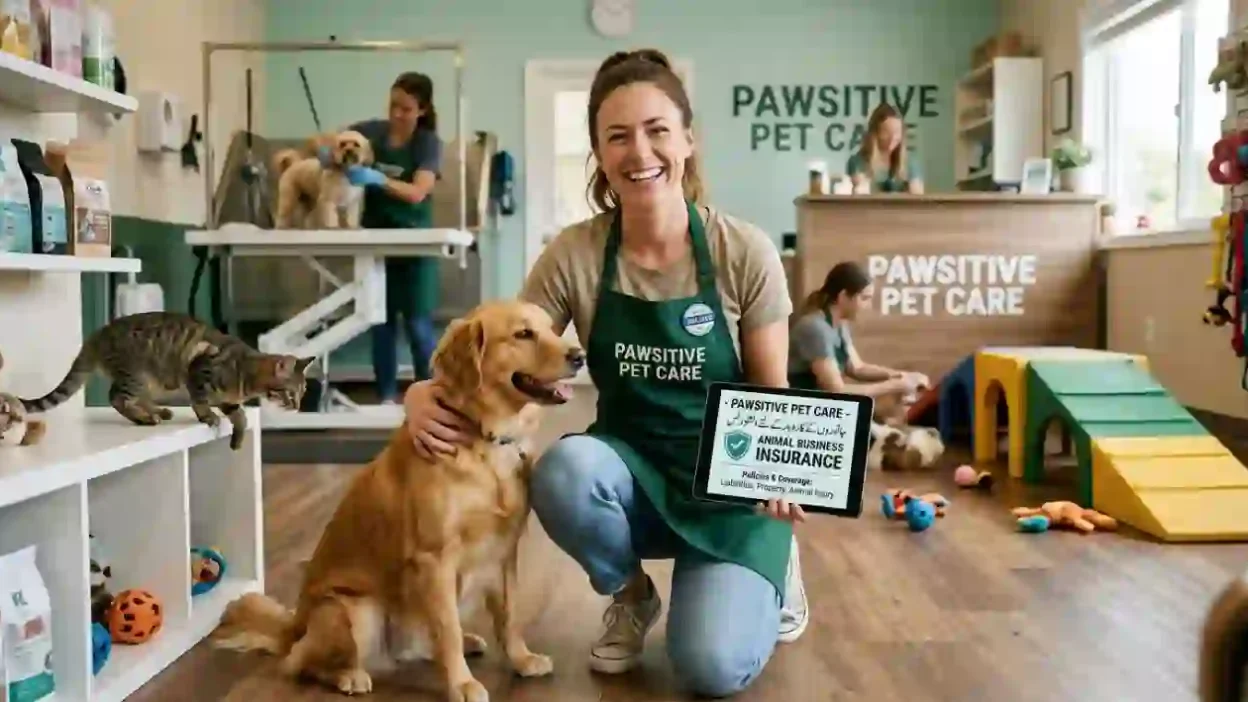
Animal business insurance helps protect businesses that work with animals from certain financial losses caused by accidents, injuries, property damage, and covered legal claims. Depending on the policy, it may cover pet groomers, dog walkers, boarding facilities, trainers, breeders, veterinarians, and pet sitters. The right coverage depends on the services offered and the risks involved.
Key Takeaways
- Animal business insurance helps manage financial risks associated with caring for, handling, or working with animals.
- General liability, professional liability, and animal bailee coverage protect against different types of claims.
- Coverage needs vary between dog walkers, pet groomers, boarding facilities, trainers, and veterinary practices.
- Policy exclusions, coverage limits, deductibles, and animal-related restrictions deserve careful review.
- Comparing specialized insurance policies helps business owners choose protection that fits their services and budget.
Animal Business Insurance: Coverage, Costs, and How to Choose
Introduction
Running an animal-related business can be rewarding, whether you care for pets, operate a grooming salon, train dogs, or manage a boarding facility. However, working with animals also brings risks that ordinary business insurance may not fully address.
Animal business insurance refers to insurance coverage designed to help protect businesses that handle, care for, train, board, groom, or treat animals. Depending on the policy, it may cover certain customer injuries, property damage, professional mistakes, or injuries and losses involving animals in your care.
Even a well-managed business can face unexpected problems. A dog might bite a customer, a pet could escape during a walk, or an animal might become injured while boarding at your facility.
This guide explains the main types of animal business insurance, which businesses may need coverage, what affects premiums, and how to compare policies. You will also learn which questions to ask an insurance provider before purchasing a policy for your business in the United States.
What Does “Animal Business Insurance” Mean?
Animal business insurance is a broad term for commercial insurance that addresses risks faced by businesses working with animals. It can include liability protection, coverage for business property, insurance for animals in a business’s care, and protection against certain professional claims.
The term is commonly used by pet sitters, dog walkers, groomers, animal trainers, boarding facilities, veterinary clinics, and pet retailers. The specific coverage available depends on the business, insurer, and policy wording. State Farm®+2
For example, a dog walker may need liability protection for accidents during walks, while a boarding kennel may need coverage for customer pets staying overnight.
Why Use Other Ways to Say “Animal Business Insurance”?
The phrase can mean different things depending on the service a business provides. Using a more specific term helps business owners explain their needs to insurers, compare policies, and find relevant coverage.
Specific terminology can help you:
- Avoid confusion: Distinguish general liability from coverage for animals in your care.
- Find relevant policies: Search for grooming, veterinary, boarding, or pet-sitting insurance.
- Communicate professionally: Explain your insurance requirements to agents and clients.
- Identify coverage gaps: Ask about risks that a standard business policy might not cover.
- Compare quotes accurately: Evaluate similar limits, exclusions, and endorsements.
Remember that these terms are related insurance categories, not always interchangeable names for the same policy.
10 Best Related Terms for Animal Business Insurance
The following terms can help you identify the coverage that fits your animal-related business. Each addresses a different risk, so review the policy details before deciding which protection you need.
1. Pet Business Insurance
Meaning
Pet business insurance is a broad term for commercial coverage designed for businesses that provide pet-related services or products. Depending on the policy, it may combine liability, property, and specialized animal coverage.
Best For
Professional, Friendly
Example 1
“Our new pet business insurance policy covers our grooming salon and equipment against eligible risks.”
Example 2
“Before opening her pet daycare, Maria compared several pet business insurance options.”
Quick Tip
Use this term when starting your research, then narrow your search to the specific services you provide.
2. Animal Care Business Insurance
Meaning
Animal care business insurance refers to coverage for businesses that look after animals or provide related services. It may apply to kennels, animal hospitals, pet daycares, and other care facilities.
Best For
Professional, Formal
Example 1
“Our animal care business insurance needs changed after we hired additional staff.”
Example 2
“The agent recommended reviewing animal care business insurance before expanding the facility.”
Quick Tip
Describe the animals you handle, your daily activities, and whether you operate at home, at a commercial location, or at clients’ properties.
3. General Liability Insurance for Pet Businesses
Meaning
General liability insurance can help cover eligible third-party bodily injury and property damage claims arising from business operations. For example, a customer might be injured after slipping at a grooming salon.
Coverage for animal-related incidents depends on the policy’s terms and exclusions.
Best For
Professional, Formal
Example 1
“We reviewed our general liability insurance before inviting customers into the new training center.”
Example 2
“The business owner requested higher liability limits before signing a commercial lease.”
Quick Tip
Ask specifically whether dog bites, animal-caused injuries, and incidents involving customer pets are covered.
4. Animal Bailee Insurance
Meaning
Animal bailee coverage addresses certain losses involving animals in a business’s care, custody, or control. Depending on the policy, it may respond when a customer’s pet is injured, lost, or dies because of a covered event. Chubb+1
Best For
Professional, Formal
Example 1
“Our boarding facility added animal bailee coverage to address risks involving overnight guests.”
Example 2
“The pet sitter asked whether the policy covered a dog injured while staying in her home.”
Quick Tip
Check whether coverage applies during transportation, grooming, overnight stays, and off-site activities.
5. Pet Grooming Insurance
Meaning
Pet grooming insurance is designed for businesses that wash, trim, brush, or otherwise groom animals. Depending on the policy, it may include liability, equipment protection, and coverage for certain incidents involving animals being groomed.
Best For
Professional, Friendly
Example 1
“The mobile groomer purchased pet grooming insurance before serving her first customer.”
Example 2
“Our salon reviewed its coverage for clippers, grooming tables, and pets receiving services.”
Quick Tip
Tell the insurer whether you operate a fixed salon, work from home, or travel to customers.
6. Dog Walking Insurance
Meaning
Dog walking insurance helps address risks associated with walking dogs for payment. Depending on the policy, relevant protection may include liability for certain injuries or property damage and coverage for animals in the walker’s care.
Best For
Casual, Professional
Example 1
“I compared dog walking insurance policies before accepting more clients.”
Example 2
“Our team checks its coverage before walking dogs in public parks.”
Quick Tip
Ask about incidents involving multiple dogs, off-leash activities, lost pets, and transportation.
7. Pet Sitting Insurance
Meaning
Pet sitting insurance is intended for businesses that care for animals while their owners are away. Coverage may address liability, accidental damage, or specific losses involving pets, depending on the policy.
Best For
Professional, Friendly
Example 1
“Pet sitting insurance became a priority when Daniel started caring for pets overnight.”
Example 2
“Before booking a sitter, the customer asked for proof of business insurance.”
Quick Tip
Confirm whether the policy covers overnight stays, house sitting, medication administration, and access to clients’ homes.
8. Kennel and Boarding Insurance
Meaning
Kennel and boarding insurance addresses risks associated with facilities that temporarily house animals. It may include property, liability, animal bailee, and business interruption coverage, depending on the package.
Best For
Professional, Formal
Example 1
“The kennel reviewed its insurance before adding ten new boarding spaces.”
Example 2
“Our boarding facility needs protection for eligible property losses and animal-related claims.”
Quick Tip
Ask about disease-related exclusions, emergency evacuation, escapes, and the maximum number of animals allowed.
9. Veterinary Business Insurance
Meaning
Veterinary business insurance can combine commercial coverage for a veterinary practice with protection tailored to veterinary services. Depending on the policy, options may include property, general liability, professional liability, and coverage for animals in the clinic’s custody. State Farm®+1
Best For
Professional, Formal
Example 1
“The clinic reviewed its veterinary business insurance after purchasing new diagnostic equipment.”
Example 2
“Our veterinarian asked about professional liability coverage for treatment-related claims.”
Quick Tip
Review professional liability separately from general liability because the two policies address different types of claims.
10. Animal Trainer Insurance
Meaning
Animal trainer insurance helps address risks associated with paid training services, such as obedience instruction or behavior coaching. Depending on the policy, coverage may include general liability and professional liability for eligible claims.
Best For
Professional, Friendly
Example 1
“The trainer checked her insurance before launching a group obedience class.”
Example 2
“Our animal training business needs coverage that reflects both private lessons and group sessions.”
Quick Tip
Disclose the types of animals you train, the methods you use, and whether sessions take place at your facility or elsewhere.
Comparison Table
| Alternative | Best Used In | Tone |
|---|---|---|
| Pet business insurance | General research and business planning | Professional |
| Animal care business insurance | Care facilities and animal services | Formal |
| General liability insurance for pet businesses | Injury and property damage risks | Professional |
| Animal bailee insurance | Customer animals in your care | Formal |
| Pet grooming insurance | Grooming salons and mobile groomers | Friendly |
| Dog walking insurance | Professional dog walking | Casual |
| Pet sitting insurance | In-home and overnight pet care | Friendly |
| Kennel and boarding insurance | Boarding facilities and kennels | Formal |
| Veterinary business insurance | Veterinary practices and clinics | Professional |
| Animal trainer insurance | Training and behavior services | Professional |
Common Mistakes When Choosing Animal Business Insurance
Avoid these five mistakes when comparing insurance policies for your animal-related business.
1. Assuming every policy covers animals in your care. General liability insurance may not cover injury or loss involving a customer’s pet in your custody. Ask about animal bailee coverage and any relevant exclusions.
2. Choosing coverage based on price alone. A low premium may come with higher deductibles, lower limits, or important exclusions. Compare the actual protection offered, not just the monthly or annual cost.
3. Ignoring professional liability. Trainers, veterinarians, and other animal care professionals may face claims involving alleged mistakes or inadequate services. Ask whether professional liability coverage fits your work.
4. Forgetting mobile operations and transportation. A policy for a fixed business location may not address every risk associated with home visits, mobile grooming, or transporting animals. Confirm where and when your coverage applies.
5. Failing to update the policy. Adding employees, new services, more animals, or another business location can change your risks. Notify your insurer when your operations change.
Frequently Asked Questions
1. What is animal business insurance?
Animal business insurance is commercial coverage designed for businesses that work with animals. It may include general liability, commercial property, professional liability, and animal bailee coverage. The right combination depends on your services, business location, employees, and the risks your operations create.
2. Who needs animal business insurance?
Pet sitters, dog walkers, groomers, trainers, boarding facilities, veterinarians, pet stores, and similar businesses may benefit from specialized coverage. Even a home-based or part-time operation can face costly claims. Your specific needs depend on the services you offer and the requirements of your clients, landlords, or state laws.
3. How much does animal business insurance cost?
The cost varies according to business type, location, revenue, claims history, coverage limits, deductibles, and the number of employees. A solo dog walker may have different insurance needs from a large boarding kennel. Request personalized quotes from multiple insurers rather than relying on a single average price.
4. Does animal business insurance cover injuries to customer pets?
It can, but coverage is not automatic. Animal bailee coverage may protect against certain injuries, deaths, or losses involving customer pets in your care. However, exclusions, deductibles, and coverage limits apply. Read the policy carefully and ask the insurer to explain which incidents are covered.
5. Is animal business insurance legally required in the USA?
There is no single nationwide rule requiring every animal-related business to carry the same insurance. Requirements vary by state, business activity, licensing rules, and employment situation. Workers’ compensation may be mandatory for eligible employers under state law. Landlords, clients, or contracts may also require particular liability limits.
6. Does general liability insurance cover dog bites?
A general liability policy may cover certain dog-bite claims if the incident falls within its terms and no applicable exclusion removes coverage. However, animal-related businesses should not assume every bite is covered. Ask about the location of the incident, the dog’s ownership, and any breed or animal exclusions.
7. Can I get animal business insurance for a home-based business?
Yes, some insurers offer coverage for home-based pet businesses, including certain pet-sitting, grooming, and boarding operations. Standard homeowners insurance may not adequately cover commercial activities. Explain your business setup to the insurer and check whether you need specialized liability or property coverage.
8. How do I choose the right animal business insurance policy?
Start by listing your services, the animals you handle, where you work, and the equipment you use. Then compare general liability, professional liability, animal bailee, property, and other relevant options. Review exclusions, deductibles, limits, and claims procedures before purchasing. A licensed insurance agent can help assess your needs.
Conclusion
Animal business insurance helps protect businesses from certain financial risks associated with working with animals. Whether you run a grooming salon, walk dogs, provide pet-sitting services, operate a kennel, or manage a veterinary clinic, your insurance should reflect the work you actually perform.
Start by identifying your biggest risks. General liability may help with covered third-party injury and property damage claims, while professional liability addresses certain claims involving your services. Animal bailee coverage is especially worth considering if customers trust you with their pets.
Next, compare quotes from several insurers and review the policy documents carefully. Pay attention to coverage limits, deductibles, exclusions, transportation, and incidents involving animals in your care. Also check any state requirements and contractual obligations that apply to your business.